

Understanding Building Permit Drawing Requirements in Ontario: A Guide for Homeowners and Builders
Navigating the complexities of building permit drawing requirements in Ontario can be daunting for homeowners and builders alike. This guide aims to clarify the essential documents, standards, and processes involved in obtaining building permits. Understanding these requirements is crucial for ensuring compliance with local regulations and avoiding costly delays. In this article, we will explore the necessary documents for permit drawings, the influence of Ontario building codes, and the qualifications needed to prepare BCIN-certified drawings. Additionally, we will outline the step-by-step process for preparing and submitting these drawings, as well as the impact of municipal variations on permit requirements.
What Are the Essential Building Permit Drawing Requirements in Ontario?
In Ontario, building permit drawing requirements are designed to ensure that construction projects comply with safety and zoning regulations. These requirements typically include a set of detailed drawings and documents that illustrate the proposed construction. Compliance with these standards is essential for obtaining the necessary approvals from municipal authorities.
Which Documents Must Be Included in Permit Drawings?
Permit drawings must include several key documents to provide a comprehensive overview of the proposed project. Essential documents typically include:
Site Plan: This document outlines the property boundaries, existing structures, and the proposed location of the new construction. It should also show setbacks and existing and proposed service connections.
Floor Plans: Detailed floor plans illustrate the layout of each level of the building, including dimensions and room designations.
Elevation Drawings: These drawings show the exterior views of the building, highlighting architectural features and materials. They should include all sides of the building.
Including these documents ensures that the permit application is complete and meets the requirements set forth by local building codes.
Neo-Scenic Designs specializes in providing comprehensive building permit drawing solutions tailored for homeowners and builders in Ontario. Their BCIN-certified design and drafting services ensure that all necessary documents are accurately prepared and submitted.
How Do Ontario Building Codes Influence Permit Drawing Standards?
Ontario's building codes play a critical role in shaping the standards for permit drawings. These codes establish the minimum requirements for safety, accessibility, and energy efficiency in construction projects. Key sections of the Ontario Building Code relevant to permit drawings include:
Structural Integrity: Ensures that buildings are designed to withstand various loads and environmental conditions.
Fire Safety: Outlines requirements for fire-resistant materials and safe egress routes.
Accessibility Standards: Mandates that buildings are accessible to individuals with disabilities, in accordance with the Accessibility for Ontarians with Disabilities Act (AODA).
Understanding these codes is essential for ensuring that permit drawings comply with legal standards and for avoiding potential penalties or project delays.
Who Can Prepare BCIN-Certified Building Permit Drawings?
BCIN certification is a crucial aspect of the building permit process in Ontario. Only qualified professionals can prepare BCIN-certified drawings, ensuring that they meet the necessary standards for compliance.
What Is BCIN Certification and Why Is It Important?
BCIN certification, or Building Code Identification Number certification, is a designation granted to individuals who have demonstrated knowledge of the Ontario Building Code. This certification is important because it ensures that the drawings prepared by these professionals adhere to the legal requirements set forth by the province. Hiring a BCIN-certified designer or architect can significantly enhance the likelihood of a successful permit application.
How Does BCIN Certification Ensure Compliance with Ontario Building Code?
BCIN certification ensures compliance with the Ontario Building Code by requiring certified professionals to stay updated on the latest regulations and standards. These professionals are trained to identify potential issues in design and construction that could lead to non-compliance. By engaging a BCIN-certified expert, homeowners and builders can mitigate risks associated with building permits and ensure that their projects meet all necessary legal requirements.
What Is the Step-by-Step Process for Preparing and Submitting Permit Drawings?
Preparing and submitting permit drawings involves a systematic approach to ensure that all requirements are met. The following steps outline the typical process:
Initial Consultation: Meet with a BCIN-certified designer to discuss project details and requirements.
Document Preparation: Gather and prepare all necessary documents, including site plans, floor plans, and elevation drawings.
Review and Revisions: Review the drawings with the designer, making any necessary revisions to ensure compliance with building codes.
Submission: Submit the completed permit application and drawings to the local municipal building department. Note that some municipalities may require electronic submissions.
How to Create a Permit Drawing Checklist for Residential Projects?
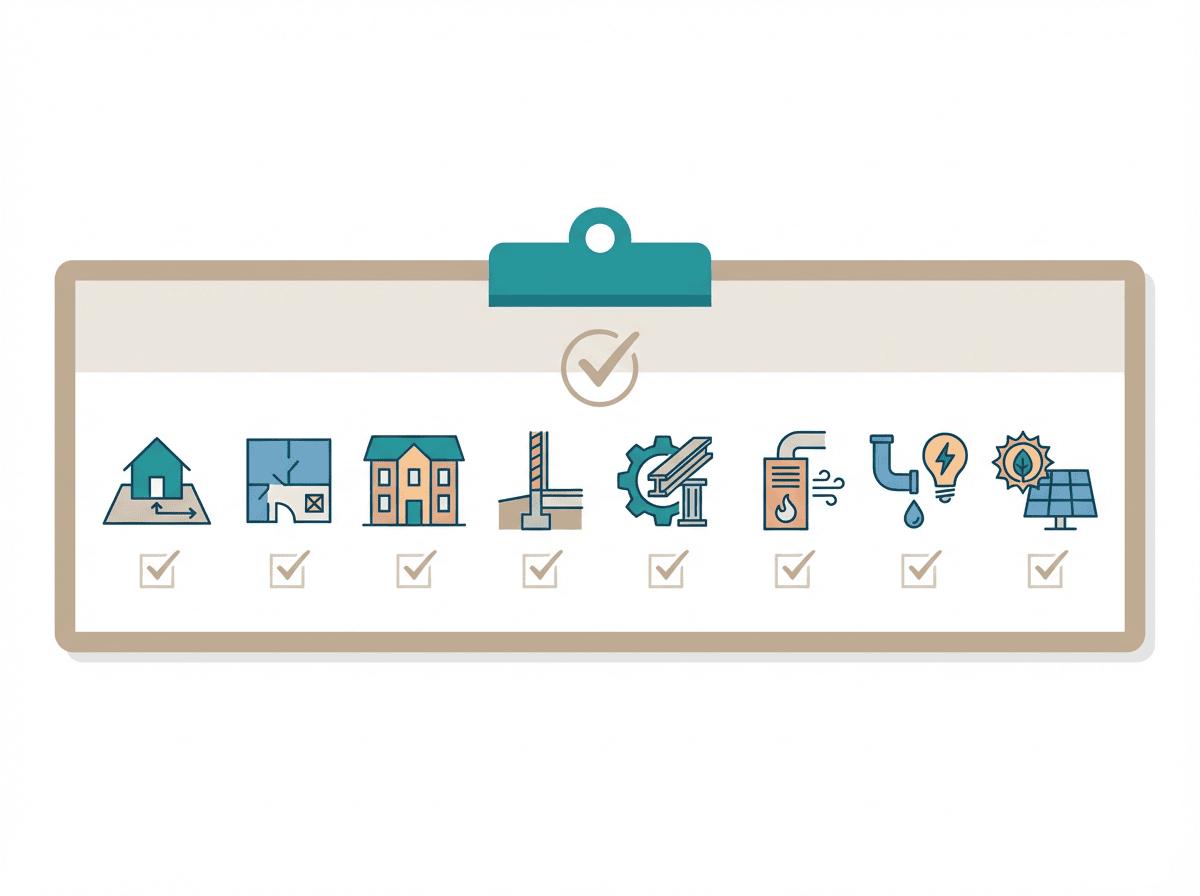
Creating a permit drawing checklist can streamline the preparation process and ensure that all necessary documents are included. A typical checklist might include:
Site plan with property boundaries and setbacks
Detailed floor plans for each level
Elevation drawings showing all sides of the building
Structural calculations and specifications, if applicable
HVAC, electrical, and plumbing plans, if required by the municipality
This checklist helps ensure that no critical documents are overlooked during the submission process.
What Are Common Mistakes to Avoid in Permit Drawings?
When preparing permit drawings, several common mistakes can lead to delays or rejections. Key mistakes to avoid include:
Incomplete Documentation: Failing to include all required documents can result in application delays.
Non-compliance with Building Codes: Ignoring relevant building codes can lead to costly revisions and potential penalties.
Poorly Detailed Drawings: Vague or unclear drawings can confuse reviewers and lead to misunderstandings.
By being aware of these pitfalls, homeowners and builders can enhance the quality of their permit applications.
How Do Municipal Variations Affect Building Permit Drawing Requirements in Ontario?
Municipal variations can significantly impact the requirements for building permit drawings in Ontario. Each municipality may have its own set of regulations and standards that must be adhered to, which can differ from the provincial guidelines. Some municipalities may have additional local zoning bylaws or tree preservation bylaws affecting permit requirements.
Which Municipal Authorities Oversee Permit Drawing Approvals?
Municipal authorities, such as local building departments or municipal offices, are responsible for overseeing permit drawing approvals. These authorities review applications to ensure compliance with both provincial and local regulations. Understanding the specific requirements of the local authority is crucial for a successful permit application.
How to Navigate Different Municipal Permit Processes Effectively?
Navigating the various municipal permit processes can be challenging. To effectively manage this, consider the following strategies:
Research Local Regulations: Familiarize yourself with the specific requirements of your municipality by visiting their official website or contacting the building department.
Engage Local Experts: Consult with BCIN-certified professionals who have experience with local building departments.
Maintain Open Communication: Establish clear lines of communication with municipal officials to address any questions or concerns promptly.
By following these strategies, homeowners and builders can streamline the permit application process and enhance their chances of success.