What We Do
We Don't Just Draw Plans We Help You Get Your Permit
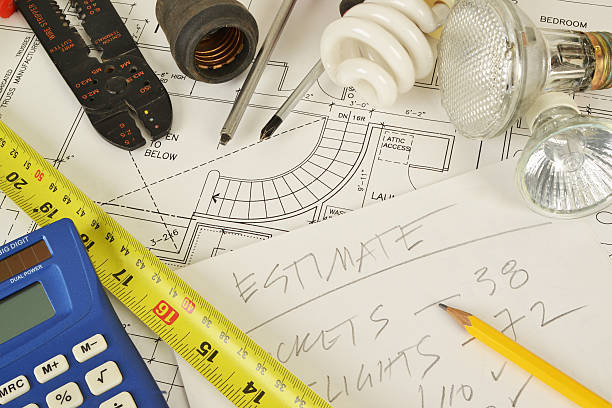
Neo-Scenic Designs prepares building permit drawings in Ontario and supports homeowners through zoning review, municipal comments, and final approval. We work on residential projects such as decks, renovations, additions, basement secondary suites, and small multi-unit buildings.
Our process is phased and transparent. We start with site measurements and preliminary layouts, then prepare permit-ready drawings that meet Ontario Building Code and municipal requirements. If the city asks questions or requests changes, we help you respond and stay with you until the permit is issued.
If we believe a permit is not required, we will tell you. If a project is unlikely to be supported by the municipality, we will communicate that early so you can make informed decisions.
Our Permit Partner Promise
At Neo-Scenic Designs, we do not stop at drawings. We help you understand what the municipality needs, respond to their comments and keep things moving until your permit is approved. The goal is simple: clear steps, no surprises and a realistic path to “permit in hand.
How the process works
Step 1:
Site visit and measurements
We either visit your property in person or use a trusted local contact to take measurements and photos if you are farther away. For homes in our main service area, a typical site visit with a LiDAR based 3D scan is about 350 dollars plus HST.
Step 2:
Preliminary drawings
We create preliminary drawings that show your layout, overall design and how the project fits with zoning. This is the best time to get quotes from contractors and make changes before we prepare the full permit package. If changes stay within the original scope, we update the prelims at no extra cost.
Step 3:
Permit ready drawings
Once you approve the prelims, we prepare detailed drawings that are ready for permit submission. These are designed to meet Ontario Building Code requirements and your municipality’s standards. If major design changes are requested after this point, extra fees may apply because multiple drawings and code checks need to be updated.
Step 4:
Submission and approval support
Many clients submit their own permit through an online portal and pay municipal fees directly. If you prefer, we can submit on your behalf where online submissions are accepted, with a small extra fee for that service. Some municipalities still require paper copies, and in those cases we prepare the full package and show you exactly how to submit it.
Where we work in Ontario
We work on projects across Ontario and set them up so they are accurate and cost effective.
In person local service area
For many renovations and additions, we regularly serve Southern Ontario around London from Guelph to Sarnia and Chatham, up toward Goderich. In this zone we usually attend in person for the site visit.
Outside our core area
For projects outside that region, we often send a trusted local contact to collect measurements, photos and basic details for renovations. For new builds, we can usually work from surveys and information you provide, and we have completed projects as far as Kenora and Ottawa without a site visit






Typical projects and starting prices
Exact costs depend on your scope, municipality and any engineering or mechanical needs, but here are common starting points.
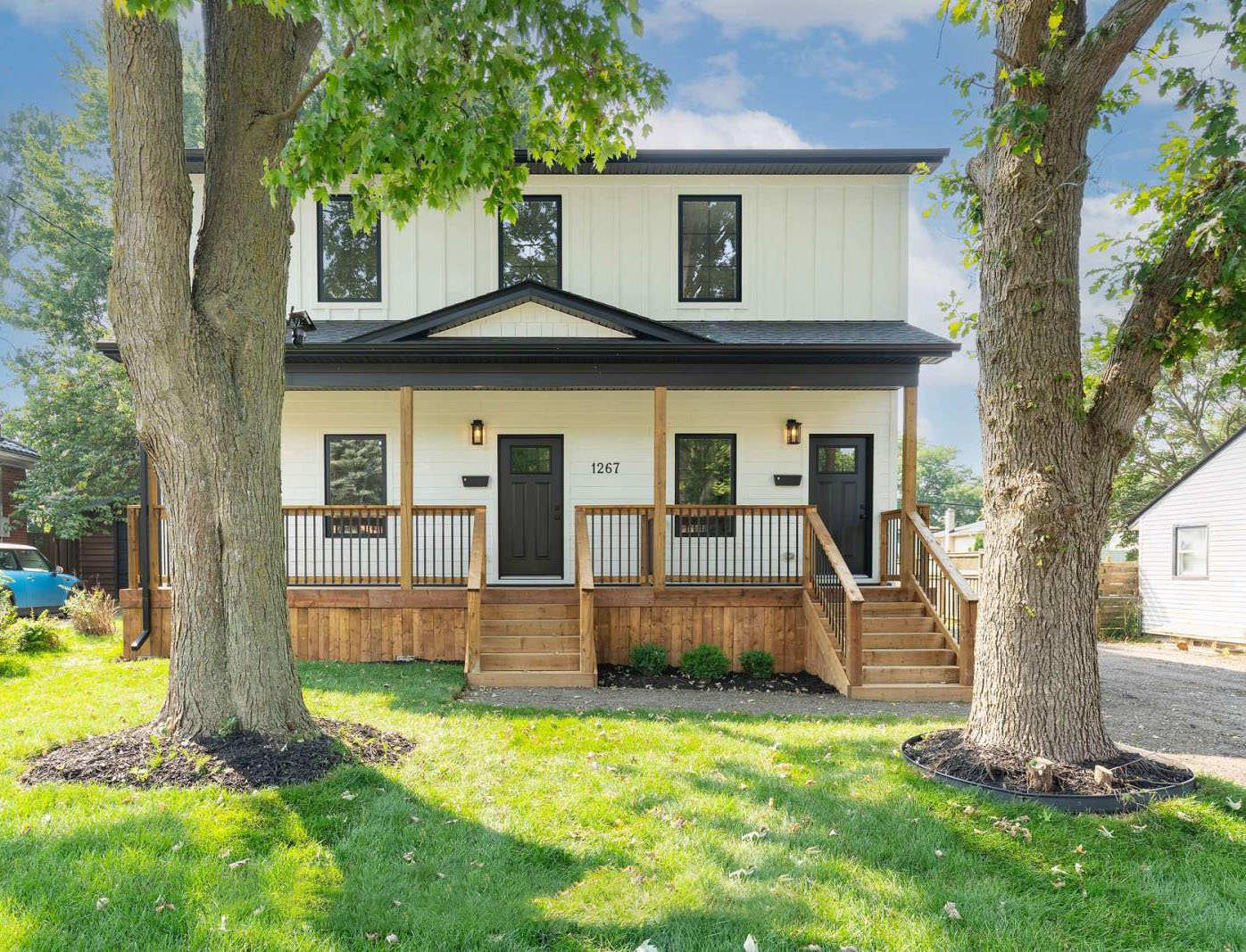
These are starting points based on typical residential projects in Ontario. We always confirm scope before quoting.
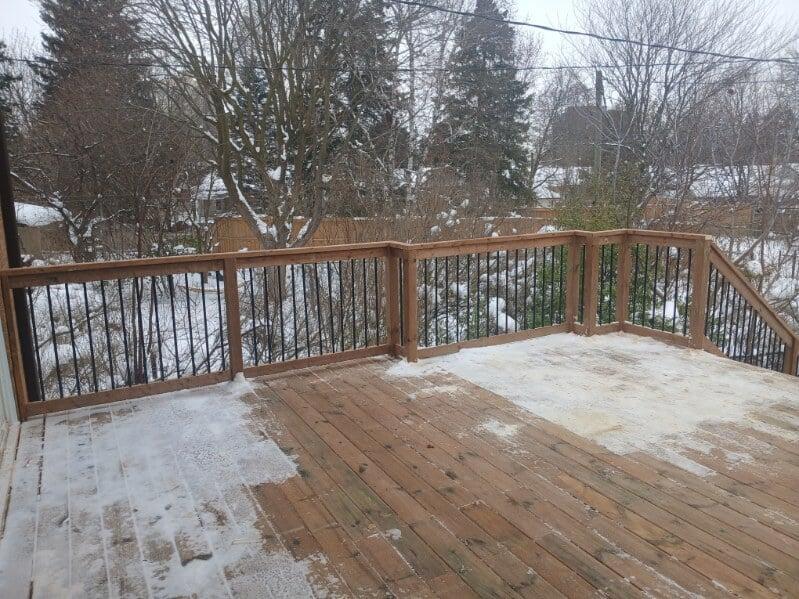
- Deck permit drawings: starting from $700
- Basement secondary suite drawings: starting from $1,500
- Mechanical design: often starting from $700
- Engineering input: often starting from $1,000
- Site visit with LiDAR scan in our core area: starting from $350
We also help with additions, renovations, detached accessory units, triplex conversions, change of use and other residential projects that need clear, code aware drawings.
- Multi-unit projects: starting from $2,500
- New Houses: starting from $3,000
- Complex renovations: sometimes closer to $2,500
- Zoning reviews from around $750
- All pricing shown includes HST unless noted otherwise.
How we handle zoning and different cities
Every municipality in Ontario has its own zoning by-laws and its own way of interpreting them. We account for those local differences early so your drawings reflect what your city is actually looking for, not just a generic code interpretation.
Zoning checks and phased projects
For projects in “grey area” zoning, such as detached accessory units or unusual layouts, we often start with a zoning review phase. This lets us check the basics with the city, identify any risks and decide if it makes sense to move into full drawings. When needed, we look for “soft approvals” or feedback before you commit to a full permit package.
Building code and feasibility
We design to meet or exceed Ontario Building Code minimums and work with experienced code consultants when a project becomes complex. If we believe a project is unlikely to be supported by the municipality, we explain that clearly and early so you are not investing heavily in drawings that may not be approved.
Honest advice about permits
If we believe your project does not require a permit, we will say so. In many cases, homeowners come to us expecting to apply for a permit, and if it turns out a permit is not needed after we confirm with the municipality, we will tell you right away.
This can happen with smaller items like certain window replacements or changes to the depth of an existing opening, depending on local rules. Our role is to help you avoid unnecessary drawings, fees and delays so you are only paying for what you genuinely need.
How involved you need to be
After the site visit, many projects are straightforward and only require your review and approval at key stages. If you already have a sketch or idea, that is ideal and gives us a clear direction.
What we need from you to get started
To set things up properly, we ask for a few simple items.
- The project address
- Any emails or letters you have from the city, including zoning comments or deficiency letters
- Any sketches or photos that show what you have in mind
- A short description of what you want to do, such as “legalize a basement suite,” “add a deck,” or “convert a garage
With this information we can check basic zoning, plan the site visit and outline clear next steps
What happens if the city asks for changes
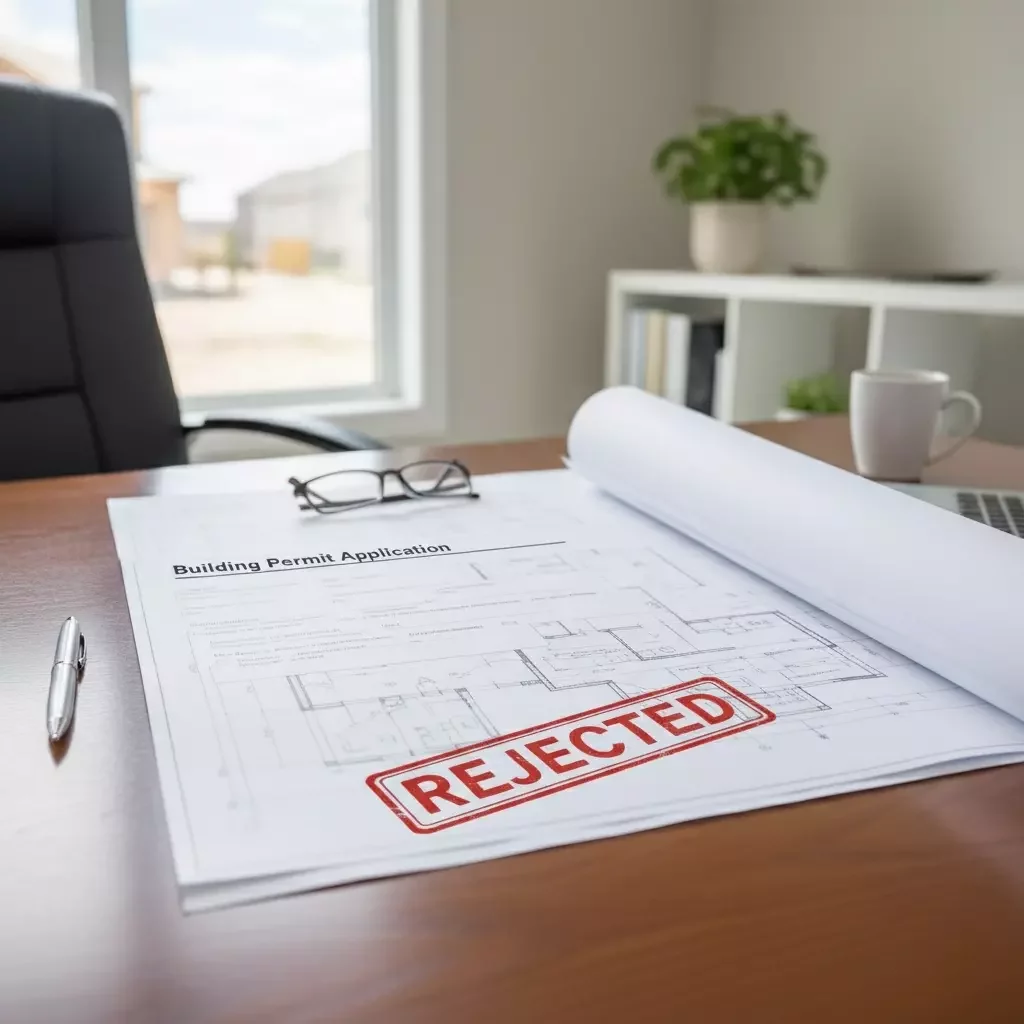
Municipalities almost always send some form of comments or a deficiency letter during review.
If the city asks for extra work such as engineering reports or testing, we explain what is needed in plain language and help coordinate that where possible. For example, one client’s project required methane gas testing just before permit issuance, and we helped them navigate that so the permit could still move forward.
Using your drawings with contractors
You can use your drawings to get quotes from contractors. The best time to do that is after preliminary drawings are done, before we finalize the permit set. That way you can adjust the design for budget or scope without paying for major redraws.